PP2 - Digital Access
Introduction:
Ireland has made remarkable progress in improving digital access over the past decade, becoming one of Europe’s most connected nations. Nearly all households now have internet access, and most people use it daily for work, education, and communication. The government has played a major role through initiatives like the National Broadband Plan, which aims to bring high-speed internet to every home and business, including those in remote rural areas. Technology is also supported by strong partnerships between the state and major private companies, as Ireland is home to global tech giants such as Google, Apple, and Meta. Despite these advances, challenges remain in ensuring equal access across the country. Rural areas still face slower connections and higher costs, while older citizens and low-income families can struggle with affordability and digital literacy. Overall, Ireland’s efforts reflect a strong commitment to building an inclusive, connected, and digitally skilled society.
Ireland Digital Access:
Ireland’s digital strategy is guided by the “National Digital Strategy 2022–2030”, titled “Harnessing Digital – The Digital Ireland Framework.”
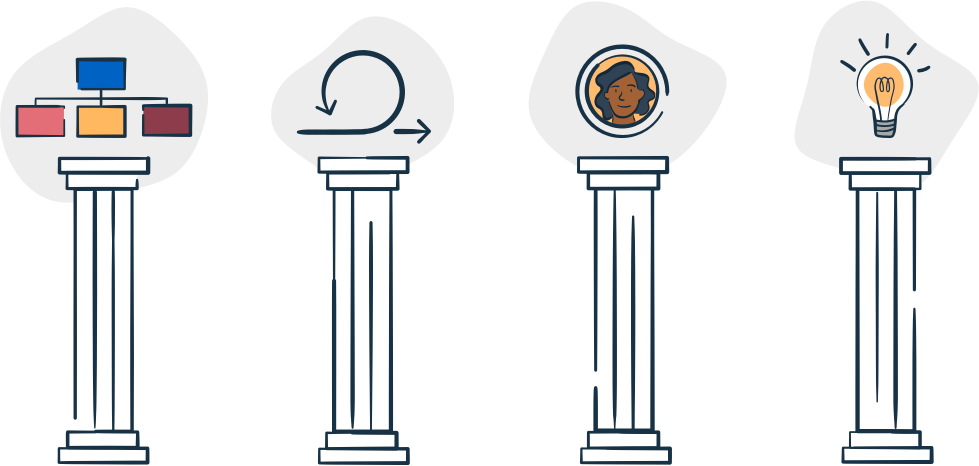
EU Digital Decade 4 Pillars:
Digital Transformation of Business
Digital Infrastructure
Digital Skills
Digitalisation of Public Services
Device Access:
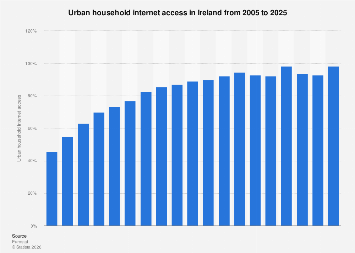
According to the CSO’s latest Internet Coverage and Usage in Ireland report, 95% of people aged 16 and older used the internet in the first half of the year, a 2% increase from 2024. Most of these users (95%) went online every day or almost every day. Only 5% of adults had never used the internet, mainly older individuals, about one-third of those aged 75 and over.
Daily use has become more frequent, with 42% of users saying they are online almost constantly. Among 16–29-year-olds, 57% used the internet nearly all the time, and students were the most active group, every student surveyed used the internet daily, with most going online multiple times a day.
95% of households now have internet connectivity - CSO
Affordability:
Affordability remains a concern in Ireland’s digital landscape, as internet prices are generally higher than the EU average, especially in rural areas where there is less competition among providers. Although most people can access smartphones, computers, and other digital devices, the overall cost of connectivity can still be a challenge. For many low-income families and older citizens, these expenses make it harder to stay connected and fully participate in Ireland’s growing digital society.
Government:
The Irish government plays a central role through:
-
Department of the Environment, Climate and Communications (policy and infrastructure)
-
Department of Enterprise, Trade and Employment (business innovation)
-
Local Enterprise Offices (support for digital SMEs)
-
Public Service Digitalisation — for example, MyGovID, Revenue Online, and eHealth initiatives.
- Strong Alignment with EU Digital Goals
- High Digital Literacy and education investment
- Strong Tech industry presence
- Rapid Adoption of e-government and online sources
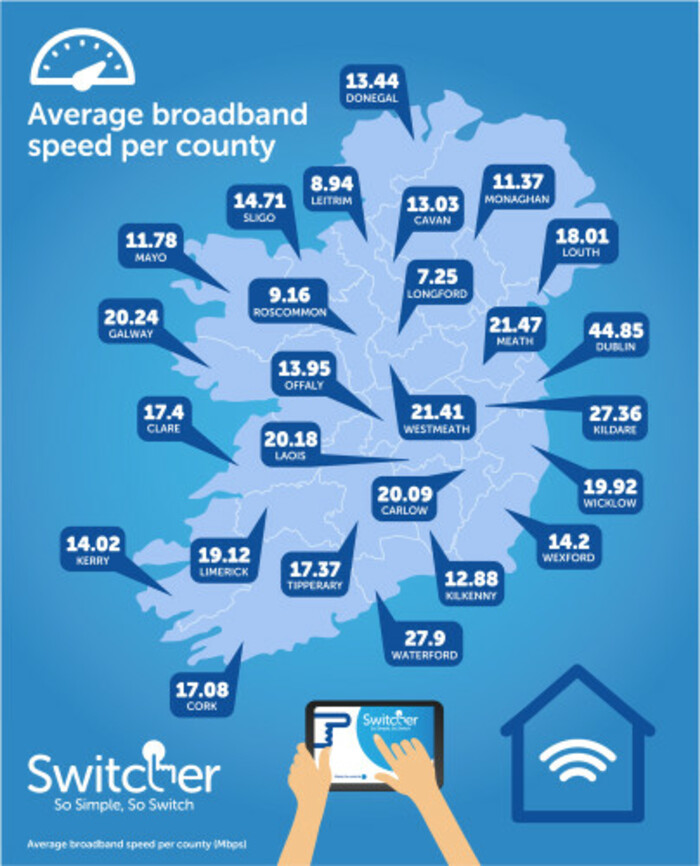
- Urban–rural digital divide persists despite the broadband plan’s
- High cost of digital infrastructure and energy for data centers raises sustainability concerns
- Dependence on multinational corporations for innovation may limit homegrown R&D
- Digital skills gap still affects older and lower-income citizens

Comments
Post a Comment